
News
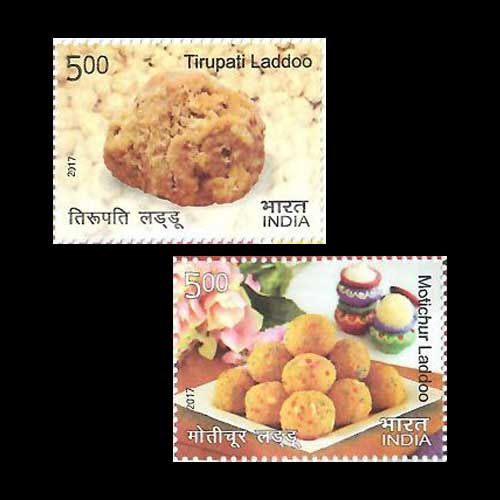
Fascinating Archaeological Facts on Postage Stamps - 73
Laddoos is quintessential sweet in Indian culinary traditions. It is a delicacy found commonly in In...
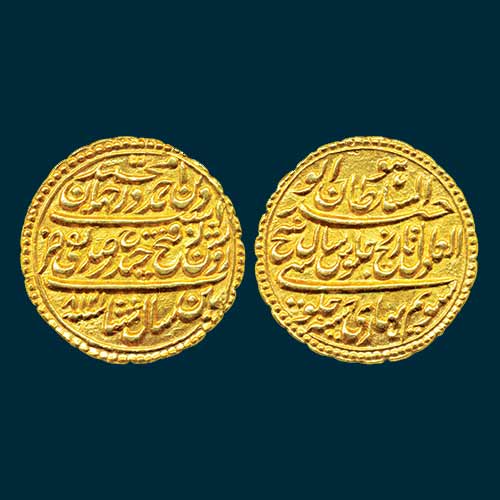
Tipu Sultan and His Coinage : Gold Double 2 Pagoda or Sadiqi
The Double Pagoda, or Sadiqi, of Mysore sultan, Tipu Sultan, weighs 6.8g and was minted only in Patt...
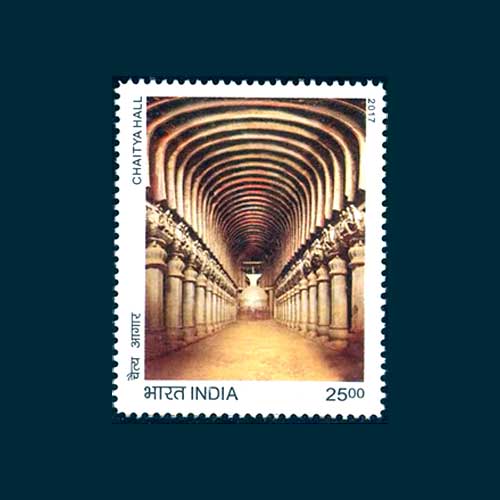
Fascinating Archaeological Facts on Postage Stamps - 72
The Karle Caves, situated in Karli, Maharashtra, represent a significant ancient Buddhist rock-cut c...
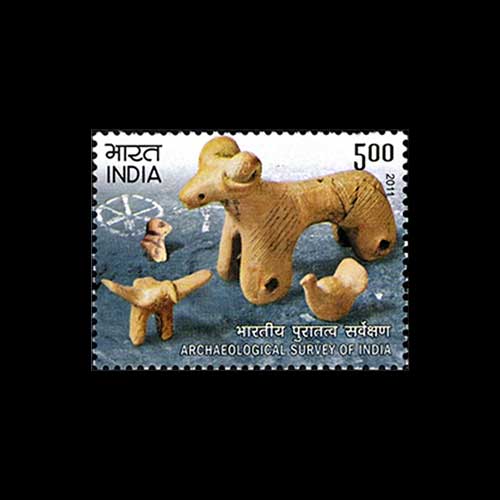
Fascinating Archaeological Facts on Postage Stamps - 71
Toys serve as an integral component of childhood, significantly contributing to the development of a...
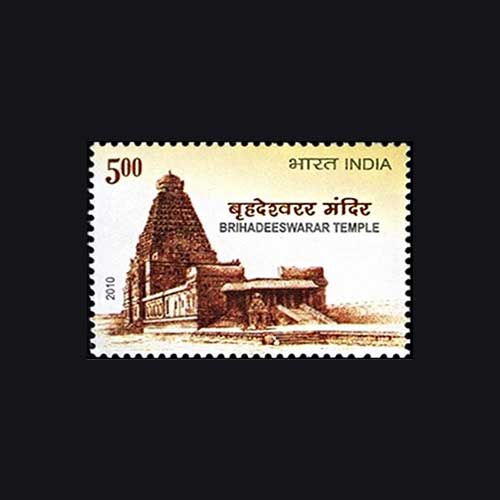
Fascinating Archaeological Facts on Postage Stamps - 70
The Brihadeeswarar Temple, also known as Dakshina meru, is a significant architectural marvel situat...
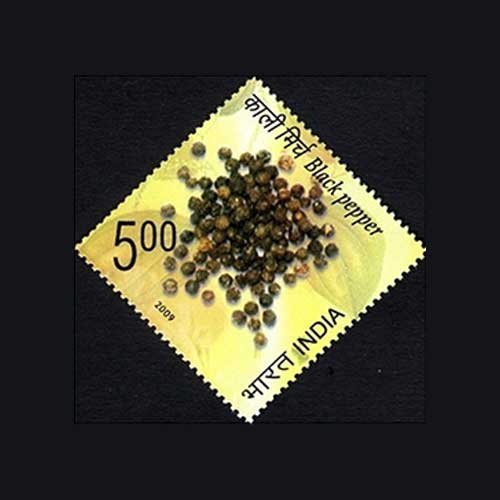
Fascinating Archaeological Facts on Postage Stamps - 69
Black pepper (Piper nigrum) is a perennial vine that is cultivated for its berries, which are extens...
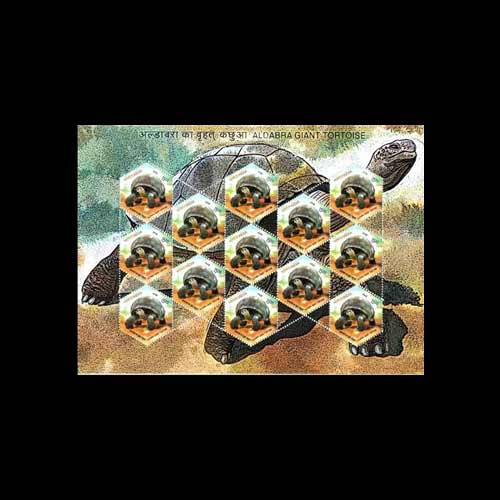
Fascinating Archaeological Facts on Postage Stamps - 68
Tortoises are recognized as one of the oldest groups of reptiles, with a history dating back approxi...
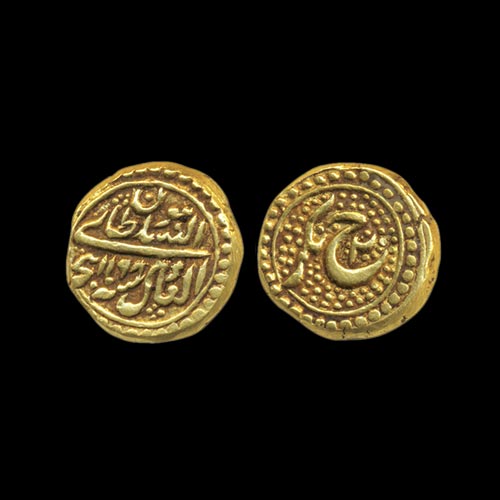
Tipu Sultan and His Coinage : Gold Pagoda or Faruqi
Tipu Sultan minted gold Pagodas, also known as Faruqi, weighing 3.4 grams, in Seringapatam or Pattan...
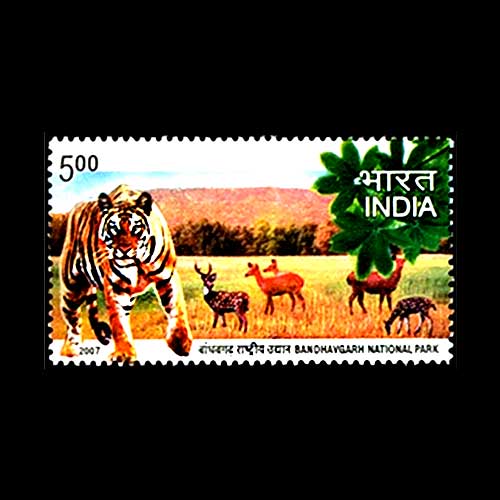
Fascinating Archaeological Facts on Postage Stamps - 67
Bandhavgarh National Park, located in the Umaria district of Madhya Pradesh, is recognized not only ...
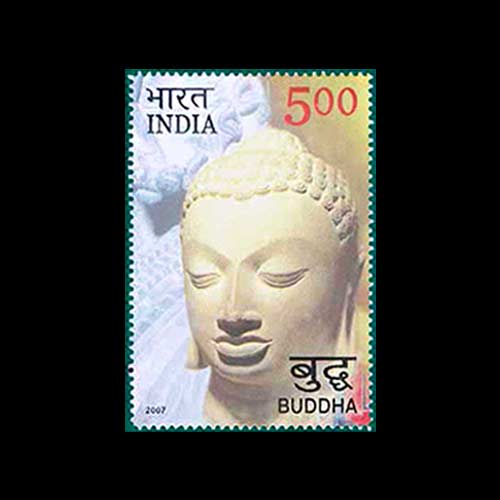
Fascinating Archaeological Facts on Postage Stamps - 66
The Indian treatise on Shilpa SHASTRA has a special section on Murti / Pratima. It considers sculptu...
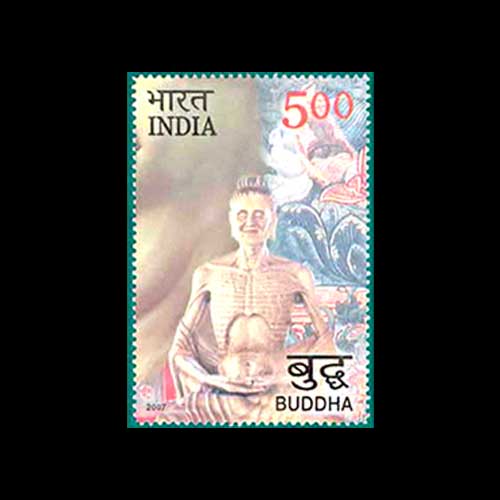
Fascinating Archaeological Facts on Postage Stamps - 65
The statue of the Fasting Buddha is one of the finest examples of Gandhara art. Within buddhist tra...
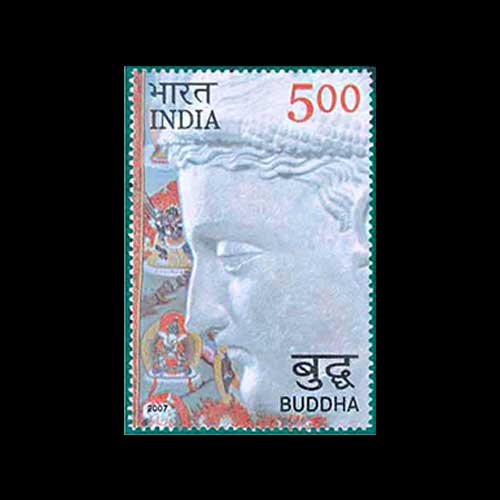
Fascinating Archaeological Facts on Postage Stamps - 64
Ancient India's Gandhara included the historic city of Taxila and the Swat Valley, located in prese...
Showing 49 to 60 of 16449 entries