
News
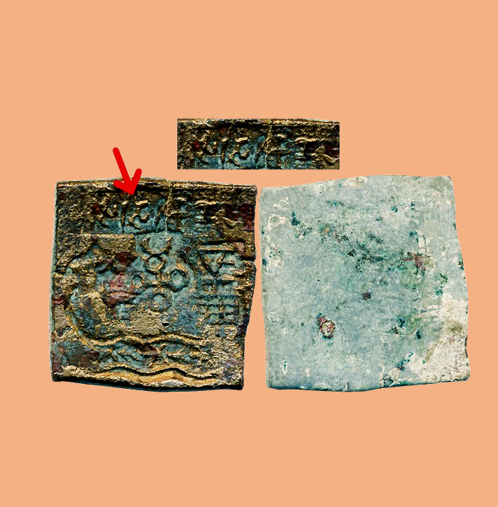
The Satavahana dynasty (c. late 2nd century BCE to early 3rd century CE) was an ancient Indian em...
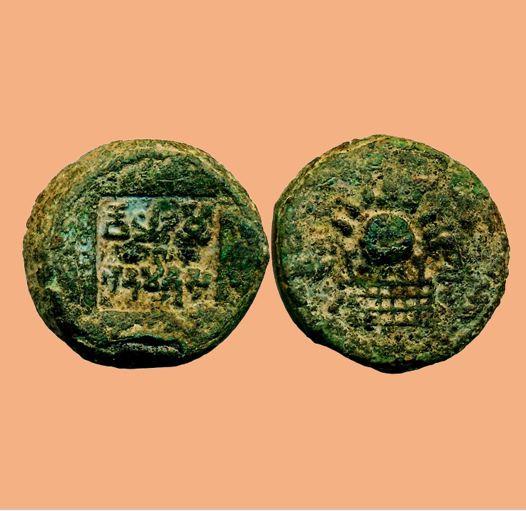
Interesting Copper Coin of Panchala King Bhanumitra
Bhanumitra was a king of North Panchala centered at Ahichhatra, in present-day Uttar Pradesh, Ind...
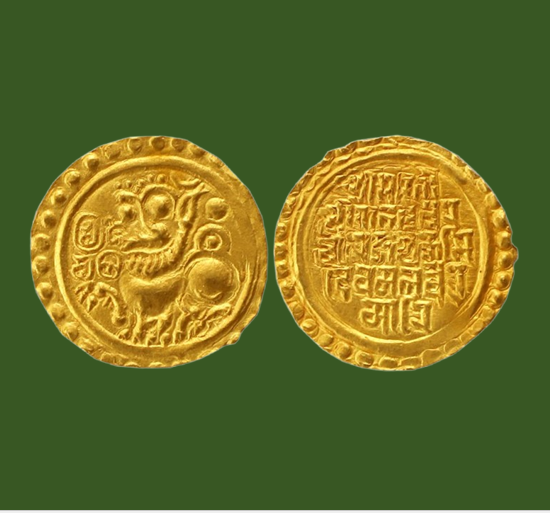
Kadambas of Goa - Gold Gadyana of Jayakeshi Deva
Kadambas of Goa were a prominent medieval dynasty that ruled Goa / parts of the Konkan coast from...
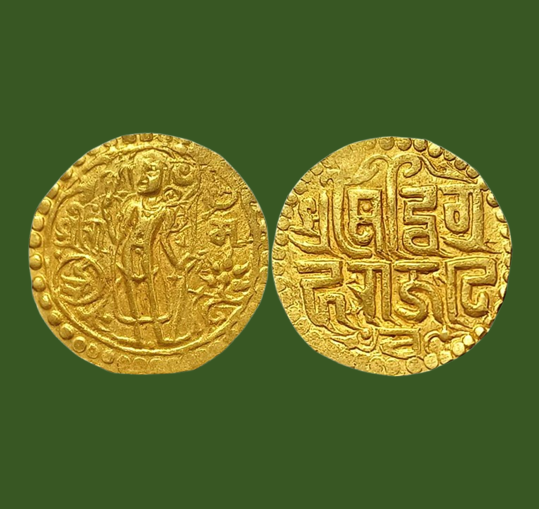
Chahamanas of Shakambhari refers to the prominent medieval Indian Chauhana dynasty, popularly kno...
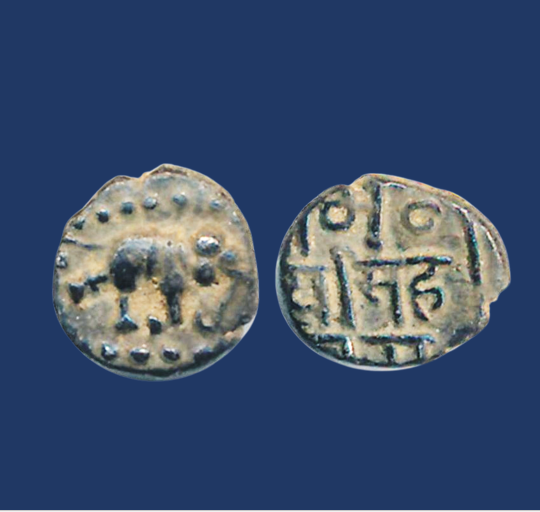
Solanki King Siddharaja Jayasimha and His Silver Masha
Siddharaja Jayasimha Solanki was a prominent ruler of the Chaulukya (Solanki) dynasty of Gujarat ...
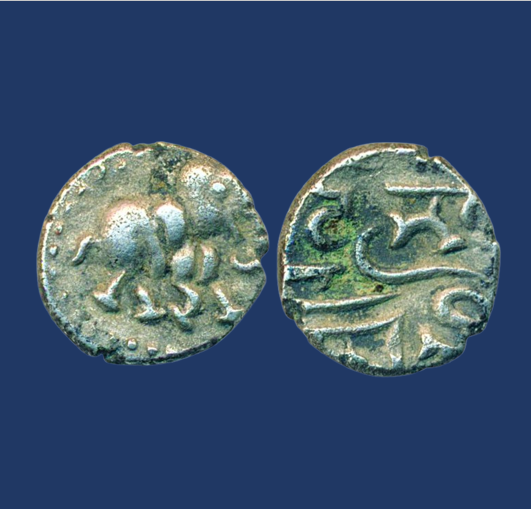
Silver Masha of Vatsa Raja Rana Hasti of Pratihara Dynasty
Vatsaraja was a prominent ruler of the Pratihara dynasty in northern/western India, who reigned ...
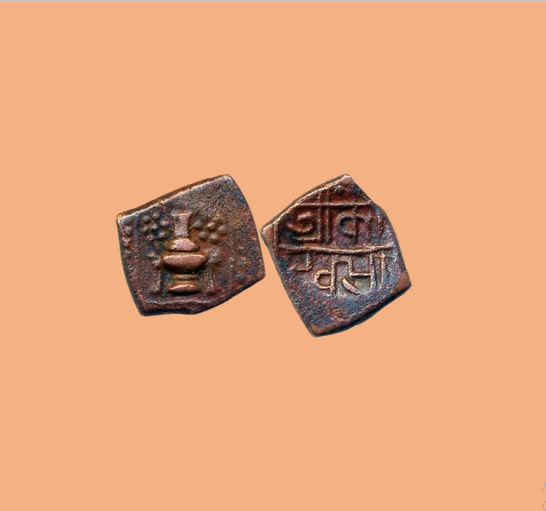
Karan Singh Waghela - His Copper Coin with Kumbha (Ghata)
Karan Singh Waghela - c. 1296 – 1304 CE (also known as Karan Ghelo) remembered in Rajput and G...
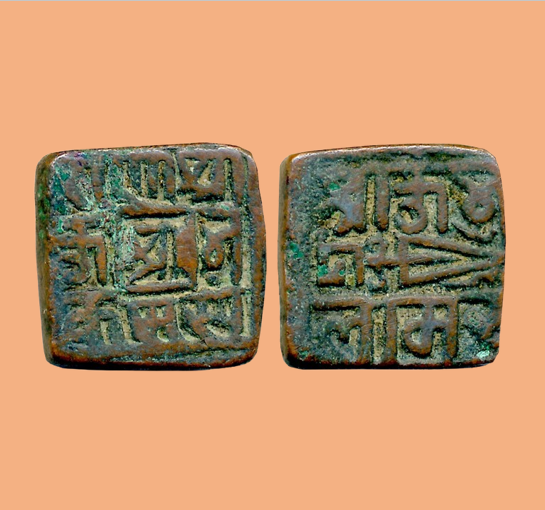
Mewar MahaRana Kumbha's Copper Coinage
Maharana of Mewar Kumbhakarna (c. 1417–1468 CE) was an illustrious warrior King. He was also ...
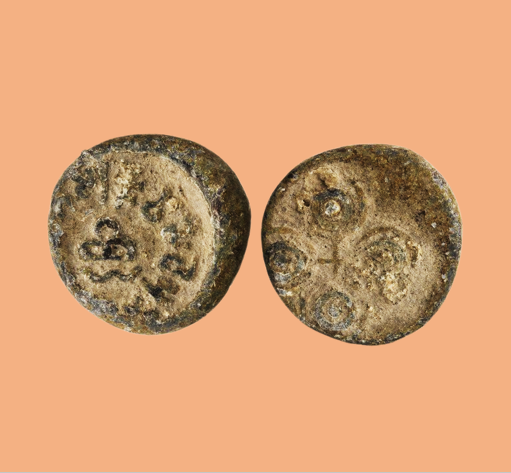
Lead Coinage of Satavahana and other Ancient Indian Rulers
One important aspect of ancient Indian coinage is abundance of lead coinage. Most of the lead coi...
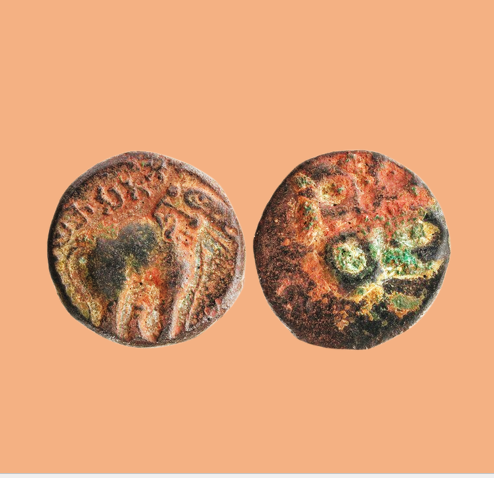
Potin Unit of Satavahana Emperor Shri Yajna Satakarni
Yajna Satakarni (Gautamiputra Yajna Sri Satakarni) was an emperor of the Satavahana dynasty. His ...
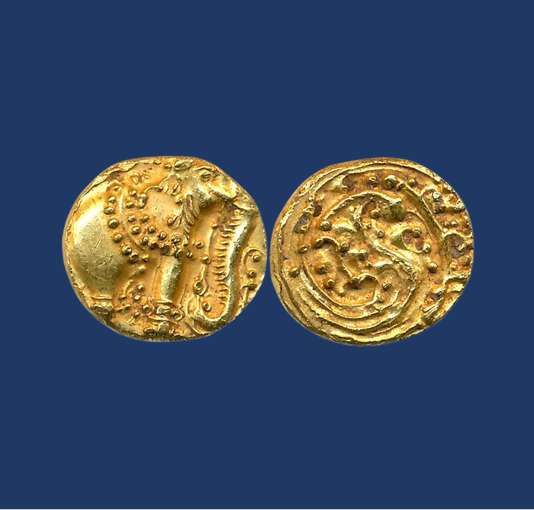
Gold Gajapati Varaha Hon of Gangas of Talakadu
Varaha Hon (also called Gajapati Varaha, Gajapati Pagoda, or simply Pagoda) of the Talakadu Ganga...
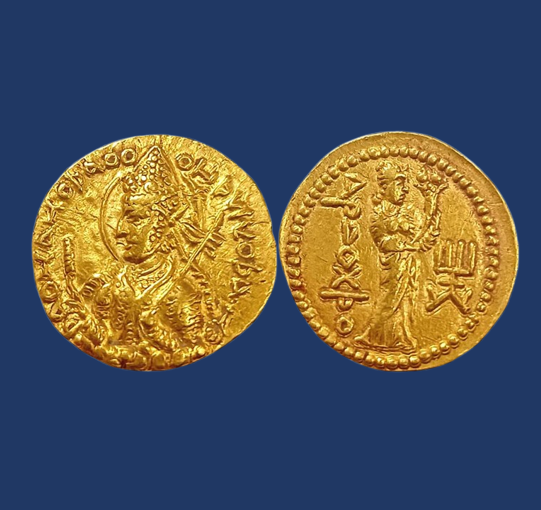
Ardoksho was a goddess of wealth, abundance, prosperity, and good fortune. She was primarily wors...
Showing 109 to 120 of 16649 entries