

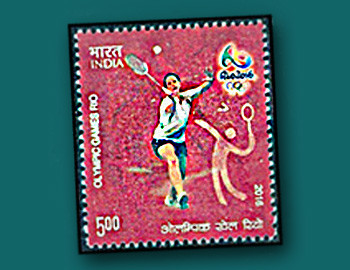
As the World’s Greatest Sporting event, Rio Olympics 2016 was inching closer to its final day, every Indian waited anxiously for the first medal to fall into the kitty. Team India at Rio saw a rather disappointing start with all the big players failing to fulfil the aspirations of the country. The hopes were high and the chances for a medal looked even bleaker. To motivate the Indian players, Rio Olympics Indian Stamps were issued by India Post.
Continue reading Rio Olympics Indian Stamps | Saluting Sindhu and Sakshi
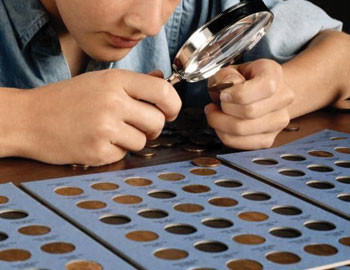
Coin collecting is one of the most popular hobbies in the world. It is a great way to learn about the historical, political and economical aspects of a country. But as they say, you need to start somewhere. If you have been thinking for a while about collecting coins, here are some basic coin collecting tips and tricks that will get you started!
Continue reading Young Numismatist: Coin Collecting Tips for Beginners
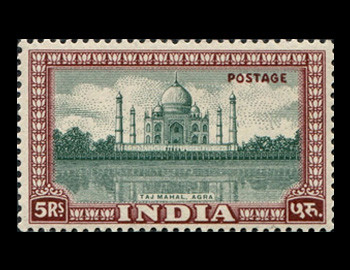
There are a million reasons why India is like a honey-pot for travellers who flock in from all over the world to experience something completely magical. It’s the vibrant kaleidoscope of traditions, history and cultures that makes India such a unique country which are also depicted on stamps of India. Even in rich diversity one gets to see oneness in the spirit of India. Several stamps have been released by India Post which signifies this beautiful aspect. Today let’s take a tour through some of the most popular monuments that have been depicted on Indian stamps.
Continue reading Historical Monuments of Stamps of India (Part 1)
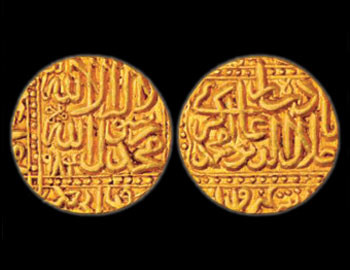
Akbar was the third ruler of the Mughal Dynasty in India from 1556 to 1605. He succeeded Humayun and went on to become one the greatest Mughal Emperors to conquer almost the entire Indian Subcontinent north of the Godavari river. Coins of Akbar also reflect the power of this mighty emperor and they are the most exquisite and varied among the ones that were minted by other Mughal emperors. He was the one who made his mark with the help of Mughal military apart from political, cultural, and economic reforms that he introduced. His religiously and culturally diverse policies helped him gain support of the non-muslim sections of the society. He was the one who revolutionised Mughal style arts, painting, and architecture. Akbar preached about Din-i-Ilahi, a beautiful amalgamation of Islam, Hinduism, Zoroastrianism, and Christianity. He trusted his subjects, irrespective of their caste or religion and offered them important positions in the administrative and military setups. He got rid of the sectarian and celebrated all kinds of festivals.
Akbar was the third ruler of the Mughal Dynasty in India from 1556 to 1605. He succeeded Humayun and went on to become one the greatest Mughal Emperors to conquer almost the entire Indian Subcontinent north of the Godavari river. Coins of Akbar also reflect the power of this mighty emperor. He was the one who made his mark with the help of Mughal military apart from political, cultural, and economic reforms that he introduced. His religiously and culturally diverse policies helped him gain support of the non-muslim sections of the society. He was the one who revolutionised Mughal style arts, painting, and architecture. Akbar preached about Din-i-Ilahi, a beautiful amalgamation of Islam, Hinduism, Zoroastrianism, and Christianity. He trusted his subjects, irrespective of their caste or religion and offered them important positions in the administrative and military setups. He got rid of the sectarian and celebrated all kinds of festivals.
Continue reading Coins of Akbar: Muhar, Ilahi Creed Coins and More
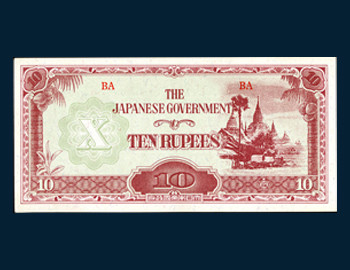
Japan had conquered many colonies and other states during World War II. Special currency notes were officially issued by Japan in these states to replace local currency. These currency notes were known as Japanese Invasion Money. Both Wartime Finance Bank and the Southern Development Bank used bonds to raise money. Wartime Finance Bank gave loans to military industries, and the Southern Development Bank gave loans for hydroelectric generators, electric power companies, shipbuilding and petroleum. In March 1945, the outstanding balance of Southern Development Bank notes stood at more 13 billion.
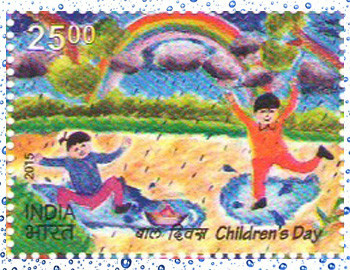
Which type are you? Someone who likes to have his/ her tea on sofa, put their legs up and watch the raindrops trickle down the windows or someone who likes to go out there and get all drenched? Whichever type you are; you can’t not fall in love with rains! We thought of giving the monsoons a Mintage World twist. Starting with the ancient Indian musical raga, Raag malhar
Continue reading Young Philatelist & Numismatist: Monsoon Special
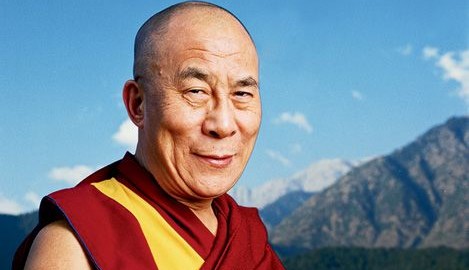
To the Buddhists of Tibet, the 14th Dalai Lama is the epithet of compassion. His followers believe that he has so much love to offer that when he dies, he will be reincarnated so that he can keep working to end suffering. To the Indians he was no less.
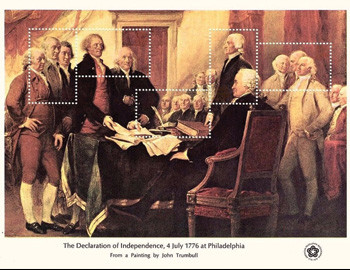
The day of 4th July 1776 declared America free from the Great Britain and its Kings. In Philadelphia, Pennsylvania, the Continental Congress adopts the “Declaration of Independence” proclaiming the independence of the United States of America! The thirteen American colonies regarded themselves as thirteen newly independent sovereign states, and no longer under British rule. Instead, they formed a new nation—the United States of America!
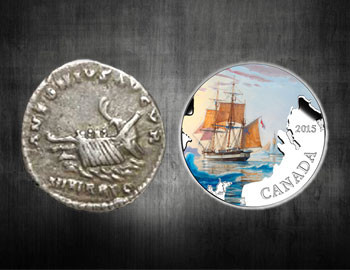
A great sailor is the one who is fearless, who loves the unknown, someone who keeps his cool when the tides are high; someone who continues the voyage until the destination is reached. Many ancient coins with ships indicate the importance of these uncertain and sometimes life-threatening missions. From ancient times, naval expeditions haven been carried out to discover new trade routes and connect with different parts of the world. Kingdoms and states always encouraged such activities, as flourishing trade meant more business which would then add to the empire’s wealth. Trade could also sometimes lead to colonization which was considered as a big fish in those days.
