
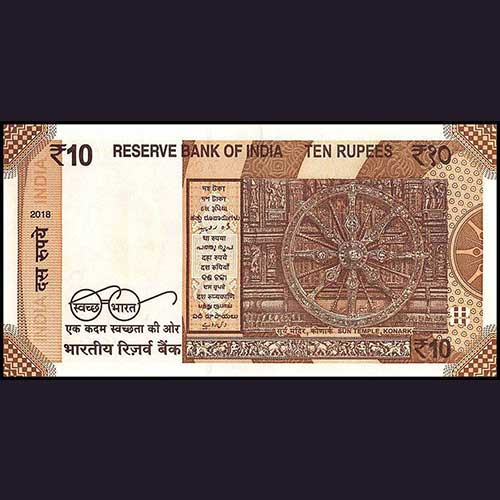
Temple on banknote
2020-09-19 Sat
Temple is the house or the adobe of divine, it is a place where everyone human being despite religion, caste and creed visit to find its routes and peace. For many a temple is an ultimate place for worship, every individual has their own perception when it comes to the sanctum of gods. The oldest reference of temple or house of gods is found in many civilizations across the globe. Arguably the world’s oldest known temple is the Gobekli Tepe. .The earliest written evidence about the temple is spectacular described in the Rig Veda through the adobe of lord Varuna is described to have a huge structure with thousand pillars made of gold and silver. In Indian traditions temple is referred by many names like Mandir, Mandira, Ambalam, Gudi, Kavu, Koil, Kovil, Déul, Raul, Devasthana, Degul, Deva Mandiraya and Devalaya. This aspect of Indian culture is beautifully depicted in the new series of banknote issued after demonetization; it illustrates the beautiful concept of the temple on banknotes.
To know more about temples read our blog temples on banknote. It will give valuable information about few of the most valuable temples in India.
Latest News
-
Elephant and Lion on a Copper Coin of the Sangam Cholas
2026-09-24 ThuThe elephant and lion were powerful animal symbols in the artistic and political traditions of an...
-
Ganesha and Shiva Together on a Coin of the Shiv Ganga Rajas
2026-09-25 FriOn Anant Chaturdashi, devotees bid farewell to Lord Ganesha with prayers and devotion, celebratin...
-
Elephant on a Punch-Marked Coin of the Vidarbha Janapada
2026-09-23 WedThe history of Indian coinage begins with the remarkable tradition of punch-marked coins, among t...
-
Gandabherunda and Four Elephants on a Gold Half Varaha of Achyutadevaraya
2026-09-23 WedThe Gandabherunda, the mythical two-headed bird of Indian tradition, is one of the most striking ...
-
The Elephant on an Indo-Greek Silver Drachm of Apollodotus I
2026-09-22 TueElephants were not just an important part of Indian heritage and religious traditions; they also ...