
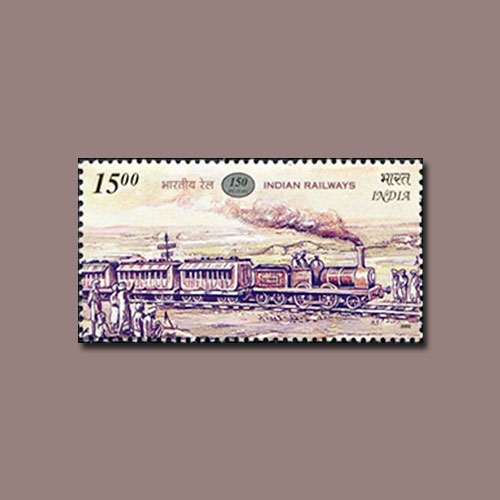
India's First Jumbo Passenger Train
2020-01-29 Wed
India’s first railway proposals were made in Madras in 1832 and the country's first train ran from Red Hills to Chintadripet Bridge in Madras in 1837. Further, a couple of decades later, the first passenger train ran between Bombay's Bori Bunder station and Thane on 16 April 1853. This gave rise to the systematic development of railway transportation in India.For ages and a long time, the south was cut off from the rest of the country in terms of easy connectivity. Until 1973, only two out of the four southern capitals had direct rail connectivity to the far north and the national capital. One of them The Tamil Nadu Express. The train was started on 7 August 1976 by then Prime Minister, Indira Gandhi.
However, on 29th January, Tamil Nadu Express was reintroduced with two Engines. Known as the “Double Headed” train, Tamil Nadu Express became the First Jumbo Passenger train which ran between the stations Tamil Nadu and New Delhi. The train had two engines and 21 coaches with the capability of carrying 951 passengers.
Visit philamart to view and purchase variety of stamps from all over the world.
Latest News
-
Twin Fishes and Bull on a Pandya Copper Coin
2026-09-28 MonThe Pandyas were one of the three great Tamil dynasties of the Sangam age, alongside the Cheras a...
-
Sangam-Age Chola Copper Coin with Lion/Tiger, Elephant and Auspicious Symbols
2026-09-28 MonThe Cholas were one of the three major Tamil dynasties of the Sangam age, alongside the Cheras an...
-
Elephant and Lion on a Copper Coin of the Sangam Cholas
2026-09-24 ThuThe elephant and lion were powerful animal symbols in the artistic and political traditions of an...
-
Ganesha and Shiva Together on a Coin of the Shiv Ganga Rajas
2026-09-25 FriOn Anant Chaturdashi, devotees bid farewell to Lord Ganesha with prayers and devotion, celebratin...
-
Elephant on a Punch-Marked Coin of the Vidarbha Janapada
2026-09-23 WedThe history of Indian coinage begins with the remarkable tradition of punch-marked coins, among t...