
International Tea Day
2020-12-15 Tue
International Tea Day is observed in India, Bangladesh, Sri Lanka, Nepal, Vietnam, Indonesia, Kenya, Malawi, Malaysia, Uganda and Tanzania on 15 December. The first International Tea Day in India was held in Delhi in 2005.Tea or chai has its root in the Mandarin word cha. The Chinese had been drinking tea for thousands of years and the beverage was brought to the rest of the world by Dutch merchants during their trips to the Far East during the 17th century. The beverage became popular as a medicine, before becoming an exotic drink.
In 2015, the government of India proposed to the UN Food and Agriculture Organization to expand International Tea Day across the world. Subsequently, the United Nations General Assembly decided to designate 21 May as International Tea Day to promote and foster collective actions to implement activities in favour of the sustainable production and consumption of tea.
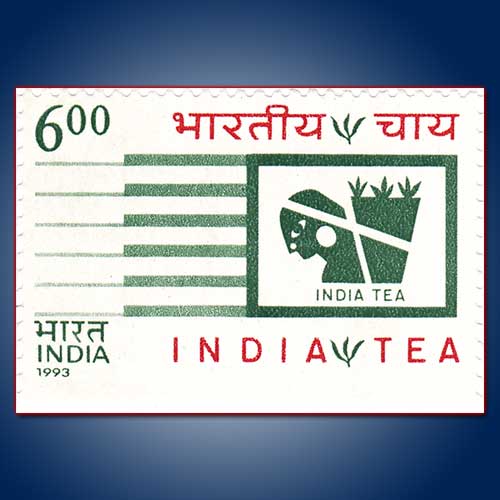
India post issued an rs.6 stamp in the year 1993 to commemorate Indian Tea Production. The stamp shows a beautiful illustration with the combination of green and white. The stamp depicts an Indian tea-plucker.
Visit philamart to view and purchase variety of stamps from all over the world.
Latest News
-
Elephant and Lion on a Copper Coin of the Sangam Cholas
2026-09-24 ThuThe elephant and lion were powerful animal symbols in the artistic and political traditions of an...
-
Ganesha and Shiva Together on a Coin of the Shiv Ganga Rajas
2026-09-25 FriOn Anant Chaturdashi, devotees bid farewell to Lord Ganesha with prayers and devotion, celebratin...
-
Elephant on a Punch-Marked Coin of the Vidarbha Janapada
2026-09-23 WedThe history of Indian coinage begins with the remarkable tradition of punch-marked coins, among t...
-
Gandabherunda and Four Elephants on a Gold Half Varaha of Achyutadevaraya
2026-09-23 WedThe Gandabherunda, the mythical two-headed bird of Indian tradition, is one of the most striking ...
-
The Elephant on an Indo-Greek Silver Drachm of Apollodotus I
2026-09-22 TueElephants were not just an important part of Indian heritage and religious traditions; they also ...