
World Day for Audiovisual Heritage
2020-10-27 Tue
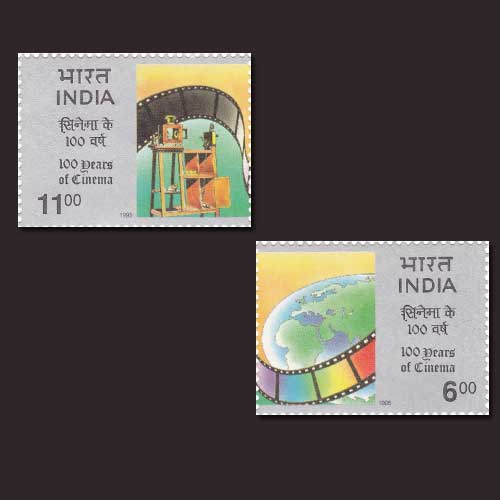
The World Day for Audiovisual Heritage takes place every 27 October. This commemorative day was chosen by UNESCO in 2005 to raise awareness of the significance and preservation risks of recorded sound and audiovisual documents which includes films, sound and video recordings, radio and television programmes.On the occasion of the World Day for Audiovisual Heritage let’s remember the lesser-known movie-maker in India. HS Bhatavdekar, the Indian who created a motion picture 14 years before Dadasaheb Phalke. Born on 15 March 1868, Bhatavdekar was a portrait photographer in Bombay.
His love for making cinema was influenced by the Lumiere Brothers, pioneers of the motion picture. Inspired by the screenings held in Bombay in 1896, HS Bhatavdekar then proceeded to create the country’s first film The Wrestlers. It was not a feature film like Phalke’s Raja Harishchandra (1913), India’s first, but a short documentary or a factual film.
The film was a recording of a wrestling match in Bombay’s Hanging Garden. It was due to the film Bhatavdekar is now known as the “Father of Indian Factual Film”.
Visit philamart to view and purchase variety of stamps from all over the world.
Latest News
-
Elephant and Lion on a Copper Coin of the Sangam Cholas
2026-09-24 ThuThe elephant and lion were powerful animal symbols in the artistic and political traditions of an...
-
Ganesha and Shiva Together on a Coin of the Shiv Ganga Rajas
2026-09-25 FriOn Anant Chaturdashi, devotees bid farewell to Lord Ganesha with prayers and devotion, celebratin...
-
Elephant on a Punch-Marked Coin of the Vidarbha Janapada
2026-09-23 WedThe history of Indian coinage begins with the remarkable tradition of punch-marked coins, among t...
-
Gandabherunda and Four Elephants on a Gold Half Varaha of Achyutadevaraya
2026-09-23 WedThe Gandabherunda, the mythical two-headed bird of Indian tradition, is one of the most striking ...
-
The Elephant on an Indo-Greek Silver Drachm of Apollodotus I
2026-09-22 TueElephants were not just an important part of Indian heritage and religious traditions; they also ...